
- News >
- Essential Travel Safety Guide While Exploring Ecuador in 2024
Essential Travel Safety Guide While Exploring Ecuador in 2024
On the 8th of January, a significant development unfolded in Ecuador when President Daniel Noboa announced a nationwide emergency. This drastic measure was a response to the escape of José Adolfo Macías, widely known as Fito, a notorious figure in the drug trade, from a high-security incarceration facility. In a decisive move, President Noboa initiated a comprehensive 60-day deployment of military forces across Ecuadorian streets, aiming to locate and apprehend the escaped cartel boss. Additionally, a nationwide curfew was instituted, spanning from 11 in the evening to 5 in the morning.

After this emergency declaration, Ecuador witnessed a series of unsettling events. Explosions, the kidnapping of law enforcement officers, and a particularly alarming episode where armed individuals forcefully entered a television broadcasting station in Guayaquil were among the reported incidents. A significant development occurred on January 17th, when an investigative prosecutor, who was probing the assault on the TV station, met with a fatal incident in Guayaquil, as per the Associated Press.
Recent Developments

The recent period has been marked by considerable unrest in Ecuador. However, there are emerging signs of gradual stabilisation in certain regions. The Ecuadorian authorities strive to maintain a semblance of normal operations despite the ongoing high-alert security situation.
A statement from the Ecuadorian Ministry of Tourism, dated January 15, indicated a cautious return to normalcy. The statement highlighted that while stringent security measures continue in specific zones, regular activities resume in other parts of the country.
Further developments were noted on January 22, when the General Secretariat of Communication of the Presidency of Ecuador announced that a significant number of operations, nearly 34,000 in total, have been executed by the Armed Forces and National Police. These operations were part of a broader strategy to dismantle narco-terrorist networks, leading to the arrest of over 3,000 individuals. The operations also resulted in the confiscation of an array of items, including more than 1,000 firearms, a substantial sum of cash, various weapons, and over 30,000 pounds of narcotics.
In light of what appears to be an intense crackdown on drug-related crime in Ecuador, potential visitors might be questioning the safety and advisability of travelling to the country in the immediate future. Here's an overview of the current situation for travellers considering visiting Ecuador.
Is Ecuador a Safe Destination for Travelers Currently?

On January 22nd, the U.S. Embassy in Ecuador issued a Level 2 travel advisory, suggesting heightened caution. The advisory recommends explicitly reconsideration of travel plans to specific areas:
- North of Portete de Tarquí Avenue in Guayaquil
- El Oro province, excluding the cities of Huaquillas and Arenillas
- Los Rios province, excluding the towns of Quevedo, Quinsaloma, and Pueblo Viejo
- All regions south of Esmeraldas city in Esmeraldas province
- The provinces of Sucumbíos, Manabí, Santa Elena, and Santo Domingo
In addition, the embassy advises against travel to specific areas due to crime concerns:
- South of Portete de Tarquí Avenue in Guayaquil
- The cities of Huaquillas and Arenillas in El Oro province
- The towns of Quevedo, Quinsaloma, and Pueblo Viejo in Los Rios province
- Esmeraldas city and all northern areas in Esmeraldas province
Crisis24, a firm specialising in security risk and crisis management, indicated in a January 19 update that incidents related to gang violence and heightened security measures are probable across Ecuador until early March. Ecuador currently holds a medium risk level rating from Crisis24.

One region still experiencing instability is the coastal city of Guayaquil. The Adventure Travel Trade Association (ATTA), a global network of adventure travel leaders, provided an update on January 12. Based on information from Ecuadorian tour operators and travel service providers who are ATTA members, it was noted that Guayaquil has been the target of several attacks by unlawful armed groups. Consequently, some tour providers have temporarily halted operations in the area. Nonetheless, the state of emergency has prompted government deployment of military forces to this region.
Ecuador’s Current Travel Situation

As of the latest reports, Ecuador is enforcing a nationwide curfew. Tourists and residents must remain indoors at their accommodations between 11 p.m. and 5 a.m. During the daytime, most activities, including tourism, continue as usual in popular destinations like the Amazon, the Galápagos Islands, and Quito's capital city. This information comes from the Ecuadorian Ministry of Tourism.
Earlier in the month, there were cancellations of some cruise itineraries, including Lindblad Expeditions to the Galápagos and a Silversea stop in Ecuador. However, cruise schedules have resumed mainly normal operations. Flights to key destinations such as the Galápagos, Quito, and the Amazon are operational. Major tourist sites in Quito, including the Casa del Alabado museum, the Basilica and Convent of San Francisco, and the El Panecillo monument, report no disruptions in service or visiting hours.
The Ministry of Tourism has assured Ecuador's streets and roads remain open and accessible, respecting the curfew hours. Security on these routes is bolstered by strategic checkpoints operated by defence forces, ensuring safety for all during the day and curfew hours.
ATTA members have observed that hotels, attractions, national parks, airports, roads, and hotel infrastructure function generally across the country.
On-the-Ground Experiences
Maria Eugenia de Aliaga, a member of ATTA and representative of Tropic Travel, in a January 21 blog post, mentioned that the situation in mainland Ecuador and the Galápagos is mainly normal, except for Guayaquil, where they have temporarily ceased operations.
Kevin Daily, an American tourist from Miami, shared his experiences while travelling in Ecuador after declaring a state of emergency.
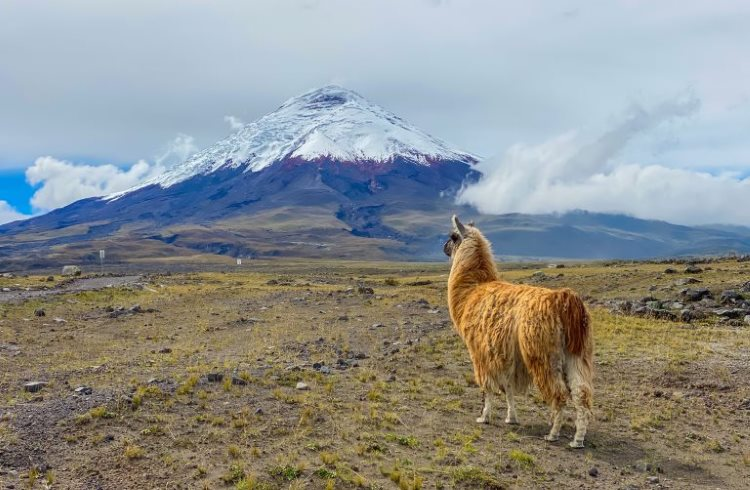
Daily described Quito as seemingly quieter than usual during his visit. However, he found Cotopaxi National Park bustling with international tourists, seemingly unaffected by the recent events.
*curfew 外出禁止令
— _grasshopper_ (@_grasshopper_) January 15, 2024
"Ecuador's military now patrol the streets at night. A curfew has been imposed across the country."
Gunmen storm Ecuador TV station
Reutershttps://t.co/dRFuVooWqR pic.twitter.com/8OZ16L6lsv
The streets across Ecuador are deserted as a national curfew has been imposed to try and deal with the country's bloody violence and a drug lord's escape.
— Sky News (@SkyNews) January 11, 2024
Sky News looks at what's driving the violence and what is being done about it 🧵👇
Ecuador, historically, has dealt with various challenges, including economic downturns, the impact of the COVID-19 pandemic, ongoing drug trafficking, and a turbulent political scene. These factors have contributed to an uptick in corruption and criminal activities, as reported by Reuters. Despite these challenges, Ecuador attracts tourists worldwide because of its cultural diversity, architecture, indigenous traditions, cuisine, natural beauty, and unique wildlife. Tourism is a crucial component of Ecuador's economy, with pre-pandemic figures showing revenue of $2.29 billion.
FAQs
What are the current travel safety concerns in Ecuador as of 2024?
As of 2024, Ecuador faces several travel safety concerns, primarily due to the nationwide curfew, gang violence, and a state of emergency declared by President Daniel Noboa. The U.S. has issued travel advisories highlighting areas of civil unrest and kidnapping risks. Additionally, travel restrictions and increased security measures have been implemented to address these concerns, especially in regions affected by gang activities and political gatherings.
How does the nationwide curfew in Ecuador affect travellers?
The nationwide curfew in Ecuador, typically from 11 p.m. to 5 a.m., requires travellers and locals to remain indoors during these hours. This curfew impacts evening and night activities, with most tourism and business operations resuming normal daytime functions. Travellers should plan their itineraries accordingly and know the curfew timings to avoid inconveniences.
Are specific regions in Ecuador advised against travelling to due to safety concerns?
Yes, certain regions in Ecuador are advised against travel, primarily due to heightened risks of crime and violence. These include areas with a high presence of gang activities and regions where the state of emergency has led to increased instability. The U.S. travel advisory and the Ecuadorian government regularly update these regions, which currently include parts of Guayaquil, El Oro province, and some areas in the Esmeraldas province.
What measures have been taken by the Ecuadorian government to ensure traveller safety?
Under President Daniel Noboa, the Ecuadorian government has implemented several measures in response to the ongoing safety concerns. These include deploying military and police forces for heightened security, stringent border controls to curb illegal activities, and continuous monitoring and adjustments to the curfew timings. The government also works closely with tourism operators to ensure that safety protocols are in place, particularly in popular tourist destinations.
How can travellers stay informed about Ecuador's latest developments and travel advisories?
Travelers can stay informed by regularly checking updates from reputable sources such as the U.S. Embassy in Ecuador, the Ecuadorian Ministry of Tourism, and global travel advisory platforms. Additionally, staying in touch with local contacts, such as tour operators and hotel staff, can provide on-the-ground insights. It's also advisable to subscribe to news alerts and follow social media channels dedicated to Ecuador travel for the most recent information.
What should travellers do in case of an emergency while in Ecuador?
In an emergency, travellers should contact local authorities, the nearest embassy, or consulate immediately. It's crucial to have a list of emergency contacts, including local emergency services, embassy contact details, and contacts of your accommodation provider. Additionally, having a travel insurance policy that covers emergencies in Ecuador is highly recommended for all travellers.
Are there any specific precautions travellers should take while exploring Ecuador during this period?
Travellers should exercise increased caution, especially in areas known for civil unrest or high crime rates. Avoiding political gatherings, adhering to local laws and curfew timings, and staying in well-known tourist areas can significantly reduce risks. It's also wise to keep informed about local customs and societal norms to avoid unintentional offences. Travellers should also ensure reliable transportation arrangements, particularly during curfew hours.
Can travellers still enjoy popular destinations like the Galápagos Islands and Quito amidst the current situation?
Popular destinations like the Galápagos Islands and Quito remain open to travellers. These areas have seen a relatively stable, with tourism operations continuing as usual. However, visitors should remain vigilant, respect the local guidelines, and stay updated on any changes that might affect their travel plans.