
- News >
- EU Adopts Digital Visas for Seamless Schengen
EU Adopts Digital Visas for Seamless Schengen
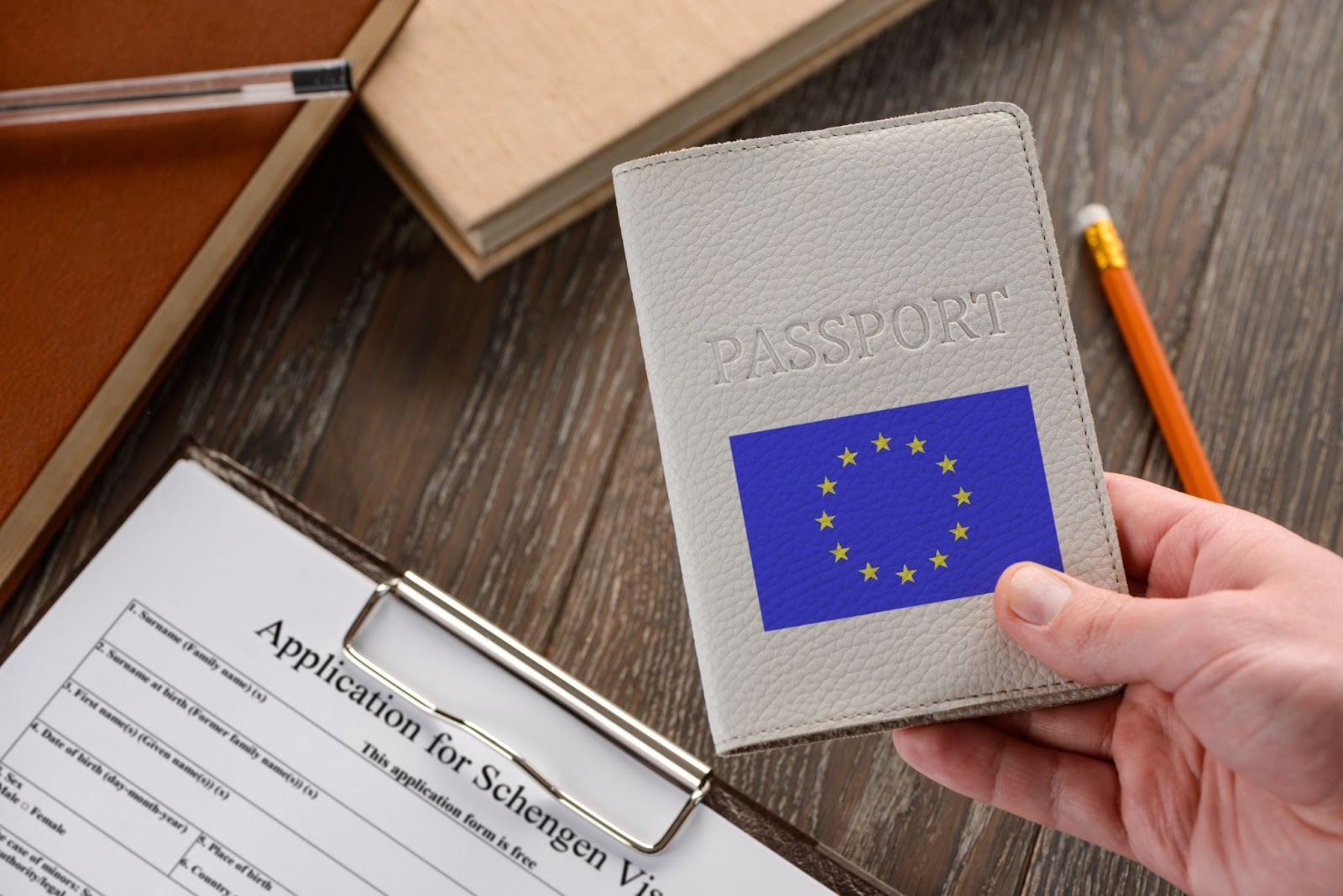
In a significant stride toward modernising travel procedures, the European Union has enthusiastically embraced digital visas, streamlining the process for seamless travel within the Schengen Zone. This progressive move aims to enhance efficiency and convenience for travellers, marking a technological evolution in the realm of European visa systems.
Enhanced Convenience for Schengen Travelers
Digital visas offer a host of benefits for travellers, including:
- Online Application Convenience: Digital visas offer a hassle-free alternative to traditional applications, allowing users to complete the process online, eliminating paperwork and in-person visits for enhanced convenience.
- Faster Processing Times: Digital visas promise expedited processing, providing applicants with quicker decisions compared to traditional methods. This reduces uncertainty, allowing for more confident trip planning.
- Real-Time Status Tracking: Applicants benefit from real-time access to their visa application status, eliminating the need for constant inquiries. This transparency enhances convenience and clarity in the application process.
Streamlined Border Controls for Authorities
Digital visas introduce a new era of border control, replacing physical visa documents with secure electronic records. This shift to digital verification offers several advantages for border control authorities:
- Instant Authentication: Border officials can instantly verify the validity and authenticity of digital visas, ensuring that only genuine travellers are admitted into the Schengen zone. This real-time verification process eliminates the risk of forged or tampered documents, enhancing security measures at border crossings.
- Reduced Fraudulent Entry: Digital visas incorporate advanced security features, such as encryption and digital signatures, that make them far more difficult to counterfeit or alter compared to traditional paper visas. This reduces the likelihood of fraudulent entry attempts, protecting the integrity of the Schengen border control system.
- Centralised Database Access: Border officials have immediate access to a centralised database of digital visas, providing them with comprehensive and up-to-date information on every traveller. This centralised system eliminates the need to consult multiple sources or rely on outdated information, streamlining the verification process and enhancing security.
Reduced Paperwork: A Greener and More Efficient Border Control Process
The adoption of digital visas not only enhances security but also streamlines border control procedures by reducing the reliance on physical documents. This digital transformation offers several benefits for border control authorities:
- Paperless Processing: Eliminating paper visas eliminates the need for manual handling, sorting, and storage of physical documents. This reduces administrative burdens, frees up valuable time for border officials, and contributes to a more efficient and environmentally friendly border control process.
- Reduced Errors: Digital visa applications are processed electronically, minimising the risk of human error associated with manual data entry. This accuracy in data processing ensures that border officials have access to reliable and error-free information, enhancing the overall efficiency of border controls.
- Simplified Data Management: Digital visas facilitate the storage and retrieval of visa-related information, simplifying data management for border control authorities. This centralised approach makes it easier to track visa issuance, validity, and other relevant details, streamlining the border control process.
Improved Risk Assessment: Data-Driven Insights for Border Security
Digital visas provide border control authorities with a wealth of data that can be utilised for improved risk assessment. This data-driven approach offers several advantages for enhancing border security:
- Comprehensive Travel History: Digital visa applications typically include detailed information about the applicant's travel history, including previous destinations, visa types, and duration of stays. This comprehensive data provides border officials with a more complete picture of an applicant's travel patterns, enabling them to make informed risk assessments.
- Real-Time Data Updates: Digital visa systems can be integrated with other data sources, such as travel databases and watchlists, to provide real-time updates on potential security concerns. This real-time access to relevant information allows border officials to make informed decisions based on the most up-to-date information, enhancing security measures.
- Data-Driven Risk Profiling: Advanced analytics tools can be applied to digital visa data to identify patterns and trends that may indicate potential security risks. This data-driven approach to risk profiling enables border officials to focus their attention on high-risk individuals, improving overall security while minimising unnecessary delays for legitimate travellers.
Pilot Program and Future Rollout
The EU's phased approach to implementing digital visas demonstrates a commitment to careful testing and refinement before fully embracing this transformative technology.
This pilot program approach offers several advantages:
- Controlled Testing Environment: A limited pilot allows for controlled testing of the digital visa system, enabling the EU to identify and address any technical glitches or unforeseen issues before widespread implementation.
- Gathering User Feedback: The pilot program provides an opportunity to gather feedback from both travellers and border control officials, ensuring that the digital visa system meets the needs of all stakeholders.
- Gradual Expansion: A phased rollout allows for a gradual expansion of the digital visa system, enabling the EU to manage the transition smoothly and address any capacity constraints that may arise.
- Adaptability to Changing Needs: By starting with a pilot program, the EU can adapt the digital visa system based on emerging technologies and evolving security requirements.
- Building Public Trust: A phased implementation approach helps build public trust in the digital visa system, as people can witness its effectiveness and security measures before it becomes fully operational.
Transforming the Schengen Travel Experience
This embrace of digital technology is not merely a procedural overhaul but a strategic move to foster greater connectivity, economic growth, and cultural exchange within the Schengen zone.
- Seamless Travel: From Application to Border Crossing
Digital visas eliminate the cumbersome paper-based application process, allowing travellers to apply online from anywhere in the world. This convenience extends to the border crossing experience, where digital visas facilitate quicker and more efficient verification, reducing waiting times and enhancing the overall travel experience.
- Enhanced Security: A Robust Defense Against Fraud
Digital visas incorporate advanced security features, such as encryption and digital signatures, making them virtually impossible to counterfeit or alter. This robust security mechanism protects the integrity of the Schengen border control system, safeguarding against fraudulent entry attempts and ensuring the safety of all travellers.
- User-Friendly Interface: Empowering Travelers with Information
Digital visa systems provide travellers with real-time status updates on their applications, eliminating the uncertainty and anxiety associated with traditional paper-based processes. This transparency empowers travellers to make informed decisions about their travel plans, reducing stress and enhancing overall satisfaction.
- Fostering Connectivity and Economic Growth
Digital visas act as a catalyst for increased connectivity and economic growth within the Schengen zone. By simplifying travel procedures and making it more attractive for travellers, digital visas encourage cross-border movement, stimulating tourism, trade, and cultural exchange. This economic boost benefits businesses, individuals, and communities throughout the Schengen area.
- Promoting Cultural Exchange: A Bridge Between Nations
Digital visas facilitate the movement of people across borders, fostering cultural exchange and understanding. As travellers from diverse backgrounds interact and explore the rich tapestry of cultures within the Schengen zone, they become ambassadors of their respective nations, promoting mutual respect and appreciation.
- A Transformative Force for Schengen Travel
This strategic move by the EU not only enhances the travel experience for individuals but also strengthens the economic and cultural ties that bind the Schengen zone together. As digital technology continues to revolutionise industries worldwide, the EU's embrace of digital visas stands as a testament to its commitment to innovation, security, and the free movement of people within its borders.
FAQS
What does the adoption of digital visas by the EU for Schengen travel entail?
The EU's adoption of digital visas signifies a shift towards a more streamlined and technologically advanced approach for Schengen travel. It involves the use of digital platforms and systems to facilitate visa processes, promising greater efficiency and ease for travellers.
How will digital visas enhance the travel experience within the Schengen Zone?
Digital visas aim to enhance the travel experience within the Schengen Zone by eliminating traditional paper-based processes. Travellers can expect a more efficient application process, faster approvals, and seamless cross-border movement, contributing to an overall smoother and hassle-free journey.
What benefits do digital visas offer in comparison to traditional visa methods?
Digital visas offer several advantages, including quicker processing times, reduced paperwork, and the ability to apply and manage visas online. Travellers can enjoy the convenience of a digital application process, making it more accessible and user-friendly than traditional visa methods.
Will digital visas affect the validity or duration of Schengen visas?
The adoption of digital visas does not inherently affect the validity or duration of Schengen visas. The changes primarily focus on the application and approval processes, utilising digital platforms to simplify and expedite procedures for travellers.
How can travellers apply for digital visas for Schengen travel?
Travellers can typically apply for digital visas through online platforms designated by the respective Schengen countries. The process may involve submitting electronic documents, providing necessary information, and completing the application form through user-friendly interfaces, making it a convenient and accessible process.