
- News >
- How are Japan's New Regulations for Visitors Aimed at Preserving Mount Fuji?
How are Japan's New Regulations for Visitors Aimed at Preserving Mount Fuji?
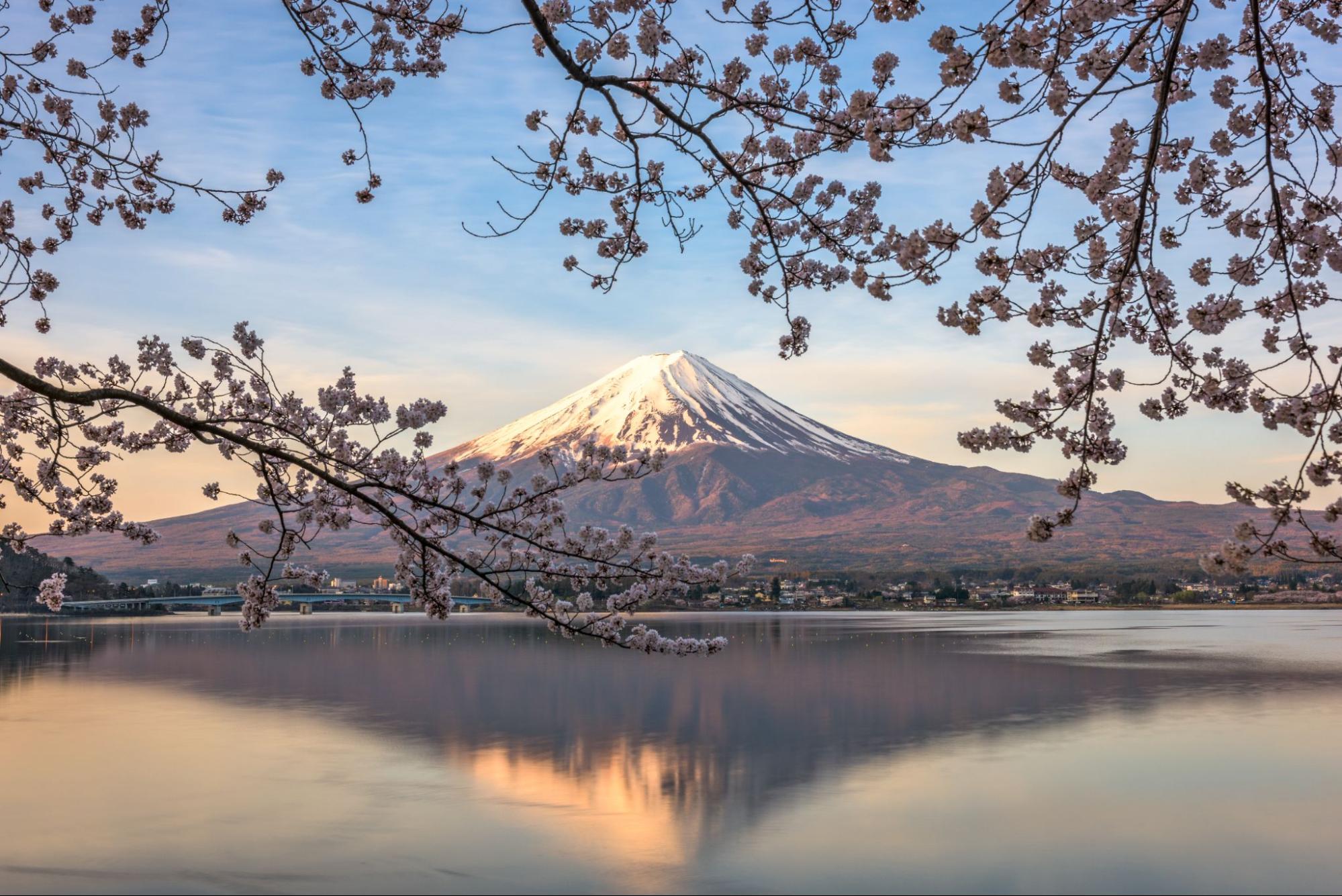
To address the challenges posed by increasing tourism, Japan has announced a new set of regulations for visitors to one of its most renowned landmarks, Mount Fuji, which is scheduled to be implemented this year. The initiative aims to mitigate the negative impacts of overtourism, which have become a growing concern at this iconic site.
Rising Visitor Numbers and Environmental Concerns

Recently, Mount Fuji has experienced a surge in the number of visitors. This influx has led to issues such as littering and concerns regarding the safety of hikers. To counter these problems and aid in conserving the mountain's natural beauty, the Japanese authorities have decided to introduce a fee for accessing the mountain along with a limit on the number of daily visitors permitted on the most frequented trail.
The Introduction of New Regulations

These new regulations are set to take effect from July 1, 2024. Specifically, they involve imposing a fee for those wishing to hike Mount Fuji. This fee is especially pertinent for those using the Yoshida trail, which is the preferred route for many due to its convenient access from Tokyo and the availability of mountain huts that provide accommodation and meals along the way.
The Yamanashi prefectural government, responsible for overseeing activities at this UNESCO World Heritage site, has decided to implement these measures. Introducing a fee is crucial in protecting the mountain’s delicate environment.
Fees, Limits, and Conservation Efforts
Additionally, to address the overcrowding issue, there will be a cap on the number of hikers allowed daily on the Yoshida trail. Starting from July 1, coinciding with the commencement of the 70-day summer climbing season, the number of hikers will be limited to 4,000 per day. Moreover, climbers will be prohibited from starting their ascent between 4 pm and 2 am.
The urgency of these measures is underscored by the fact that the Yoshida trail witnessed an exceptionally high number of climbers last year. In 2023, over 221,322 climbers ascended Mount Fuji, with a significant majority opting for the Yoshida trail. The resultant increase in visitor numbers has led to issues like litter accumulation and traffic congestion on the trail, which in turn have caused accidents and injuries.
Concerns have also been raised regarding the safety of inexperienced hikers, particularly near the summit, where facilities are less abundant.
While the specific amount of the fee has yet to be disclosed, officials have stated that it will be announced by February. The plan includes the installation of a gate at the entrance of the Yoshida trail, where the fee will be collected. The revenue generated from this initiative is intended to fund the construction of emergency shelters along the path and to maintain the hiking route.

It's noteworthy that since 2014, climbers using any of the trails on Mount Fuji have been encouraged to voluntarily contribute ¥1,000 (approximately €6.20) per person to preserve this historic site. The new measures represent a more structured approach to ensuring the sustainability of Mount Fuji as a cherished natural and cultural landmark.
FAQs
What are the new regulations introduced by Japan for visitors to Mount Fuji?
Japan has introduced a series of new regulations to preserve Mount Fuji's natural environment and ensure its visitors' safety. These include the implementation of a visitor cap to limit the number of people accessing the mountain daily, particularly on the Yoshida hiking trail. Additionally, a toll has been introduced for climbers. These measures are part of a broader strategy to address the issues of rubbish accumulation, overcrowding, and the overall environmental impact caused by the surge in tourism.
Why has Japan imposed a daily visitor limit and toll on Mount Fuji?
The decision to impose a daily visitor limit and toll stems from growing concerns about Mount Fuji's environmental preservation and hikers' safety. The influx of visitors in recent years has led to significant rubbish concerns, trail congestion, and increased incidents of hiker injuries. By limiting the number of visitors and introducing a toll, the Japanese authorities aim to reduce the environmental footprint of tourism, manage the site more effectively, and allocate resources for maintaining and conserving this UNESCO World Heritage Site.
How will the daily visitor limit and toll for climbers impact Mount Fuji tourism?
Introducing a daily visitor limit and toll is expected to impact Mount Fuji tourism substantially. These measures will likely lead to a more managed and sustainable form of tourism, reducing the strain on natural resources and infrastructure. While it may initially decrease the number of tourists, these regulations will enhance the overall visitor experience by reducing overcrowding, improving trail conditions, and ensuring the long-term preservation of the mountain's natural beauty.
What specific measures are being taken to preserve the Yoshida hiking trail?
The Yoshida hiking trail, the most frequented route to Mount Fuji, is receiving particular attention under the new regulations. The Japanese authorities have capped the number of hikers allowed daily on this trail to 4,000. Additionally, the introduction of tolls for climbers using this trail will help fund necessary maintenance and conservation efforts, including the construction of emergency shelters and upkeep of the hiking path. These measures aim to ensure the sustainability of the trail while preserving its appeal to domestic and international tourists.
How does Japan plan to use the revenue generated from the new regulations?
The revenue generated from the tolls and the daily visitor limit will be utilised for several vital purposes. Primarily, it will fund the environmental conservation efforts on Mount Fuji, including rubbish management and trail maintenance. Part of the revenue is also earmarked for constructing emergency shelters along popular hiking routes, ensuring hiker safety. Additionally, it will support the overall management of Mount Fuji tourism activities, helping balance visitor enjoyment with the site's long-term sustainability.
Are there any specific safety measures for inexperienced hikers on Mount Fuji?
Yes, considering the challenges inexperienced hikers face, especially near the summit where facilities are sparse, the Japanese authorities have planned several safety measures. These include providing detailed information and guidance on safe hiking practices, the availability of emergency shelters along the trails, and the enforcement of climbing restrictions during nighttime to reduce the risk of accidents. These initiatives ensure a safer and more enjoyable hiking experience for all visitors.