
- News >
- Rise in Passport Power in Germany Italy Spain
Rise in Passport Power in Germany Italy Spain
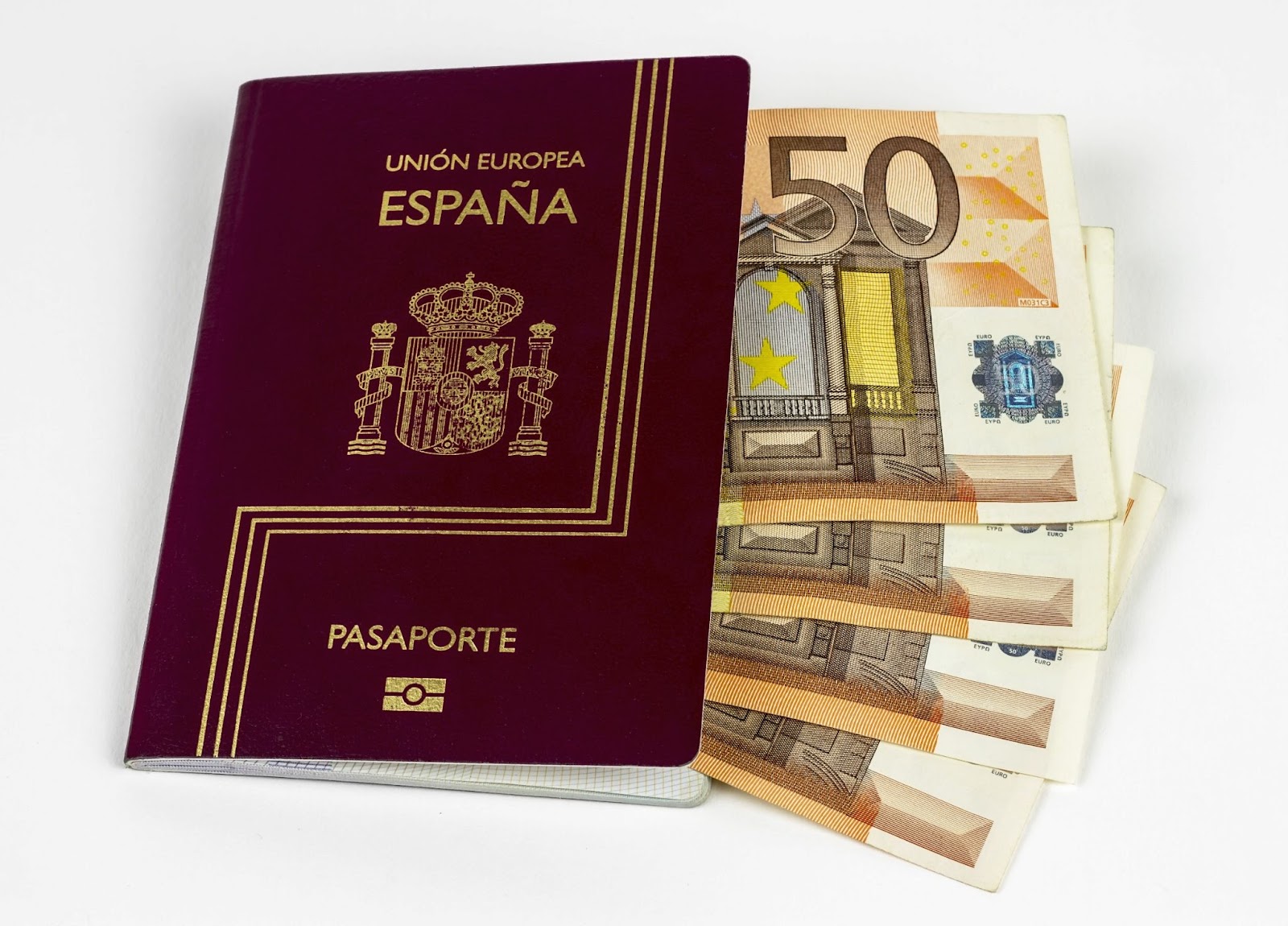
In a notable development, Germany, Italy, and Spain have advanced to the second position in the global passport ranking, signifying increased travel access for their citizens. This ascent reflects the diplomatic strength and international influence held by these countries, granting their passport holders enhanced visa privileges across the globe.
Global Passport Rankings Shift as Singapore Claims the Top Spot
The Henley Passport Index is a global ranking of passports based on the number of countries passport holders can enter without a visa, or with a visa on arrival. The index is updated quarterly and is considered to be one of the most authoritative sources of information on passport power.
The reasons for this shift in passport power are complex and multifaceted. However, some of the key factors include:
- Singapore's strong diplomatic relations with other countries: Singapore has been actively pursuing visa waiver agreements with other countries in recent years. This has resulted in Singaporean passport holders gaining visa-free access to more and more countries.
- Japan's declining economic power: Japan's economy has been growing more slowly than other developed economies in recent years. This has led to a decline in Japan's diplomatic influence, which may have contributed to its fall in the Henley Passport Index ranking.
- The rise of the European Union: The European Union has been working to strengthen its common foreign and security policy in recent years. This has led to greater cooperation between EU member states on visa issues. As a result, EU citizens have gained visa-free access to more countries, which has contributed to the rise of Germany, Italy, and Spain in the Henley Passport Index ranking.
Understanding the Methodology of the Henley Passport Index
The Henley Passport Index, a quarterly update ranking the world's most powerful passports, assesses passport strength based on the number of destinations accessible without requiring a visa. With 18 years of operation, this index is curated by the global citizenship and residence advisory firm, Henley & Partners.
Utilising data from the International Air Transport Association (IATA), the index assigns one point to countries for each destination their passport holders can visit visa-free, including instances where citizens can obtain a visa on arrival, a visitor's permit, or an electronic travel authority (ETA).
Points are not awarded for destinations requiring a visa or where the passport holder needs to secure a government-approved e-visa before departure, providing a comprehensive measure of passport power worldwide.
Global Passport Rankings
Japan claimed the premier position with visa-free access to 193 countries. However, this has now decreased to 189 countries, leading to Singapore securing the top spot. Singapore's remarkable ascent, gaining visa-free access to an additional 25 countries in the last decade, propelled it five places up the rankings.
The top 10 now includes:
- Singapore
- Germany, Italy, Spain
- Japan, Austria, Finland, France, Luxembourg, South Korea, Sweden
- Denmark, Ireland, Netherlands, UK
- Belgium, Czechia, Malta, New Zealand, Norway, Portugal, Switzerland
- Australia, Hungary, Poland
- Canada, Greece
- Lithuania, USA
- Latvia, Slovakia, Slovenia
- Estonia, Iceland
Notably, the UK has risen to the fourth position for the first time since 2017, while the USA continues its 10-year decline, dropping two spots to eighth place. In 2014, the UK and USA jointly held the first place.
|
Rank |
Country |
Number of visa-free countries |
|
1 |
Singapore |
190 |
|
2 |
Germany, Italy, Spain |
189 |
|
3 |
Japan, Austria, Finland, France, Luxembourg, South Korea, Sweden |
188 |
|
4 |
Denmark, Ireland, Netherlands, UK |
187 |
|
5 |
Belgium, Czechia, Malta, New Zealand, Norway, Portugal, Switzerland |
186 |
|
6 |
Australia, Hungary, Poland |
185 |
|
7 |
Canada, Greece |
184 |
|
8 |
Lithuania, USA |
183 |
|
9 |
Latvia, Slovakia, Slovenia |
182 |
|
10 |
Estonia, Iceland |
181 |
Countries with the Least Powerful Passports: Afghanistan at the Bottom
At the bottom of the passport ranking, Afghanistan retains its position as the weakest passport globally, offering visa-free access to just 27 destinations— a stark contrast to Singapore's 192 destinations. Following Afghanistan are Iraq with access to 29 destinations and Syria with access to 30 destinations.
The lower rungs of the ranking feature:
- Pakistan (33 destinations)
- Yemen and Somalia (35 destinations)
- Palestine and Nepal (38 destinations)
- North Korea (39 destinations)
- Bangladesh (40 destinations)
- Libya and Sri Lanka (41 destinations)
- Kosovo (42 destinations)
These countries have the most limited passport privileges, reflecting challenges in global mobility for their citizens.
|
Rank |
Country |
Number of visa-free countries |
|
11 |
Afghanistan |
27 |
|
12 |
Iraq |
29 |
|
13 |
Syria |
30 |
|
14 |
Pakistan |
33 |
|
15 |
Yemen |
35 |
|
15 |
Somalia |
35 |
|
17 |
Palestine |
38 |
|
17 |
Nepal |
38 |
|
19 |
North Korea |
39 |
|
20 |
Bangladesh |
40 |
|
21 |
Libya |
41 |
|
21 |
Sri Lanka |
41 |
|
23 |
Kosovo |
42 |
Travel Freedom Trends: Growth and Increasing Inequality
The average number of countries accessible visa-free has nearly doubled, growing from 58 in 2006 to 109 in 2023. Only eight countries have experienced a decline in visa-free access over the last decade.
Remarkably, the UAE has witnessed significant progress, gaining visa-free access to an additional 107 destinations since 2013, elevating its ranking from 56th to 12th place. Colombia follows suit as a substantial climber, ascending from 65th to 37th place.
Ukraine and China emerge among the top 10 most improved rankings in the past decade. However, despite these positive trends, there is a widening gap between the most and least powerful passports, highlighting an increasing inequality in global travel freedom.
Countries with the Most Welcoming Visa Policies
A new ranking, the Henley Openness Index, sheds light on countries with the most and least welcoming visa policies. Leading the top 20 are small island nations, African states, and Cambodia.
Twelve countries stand out by offering visa-free or visa-on-arrival entry to all 198 other passports globally. This inclusive group comprises Burundi, the Comoro Islands, Djibouti, Guinea-Bissau, the Maldives, Micronesia, Mozambique, Rwanda, Samoa, the Seychelles, Timor-Leste, and Tuvalu.
Conversely, the four countries at the bottom of the list, including Afghanistan, North Korea, Papua New Guinea, and Turkmenistan, do not permit visa-free access for any passport. Following closely are Libya, Bhutan, Eritrea, Equatorial Guinea, and India, each providing visa-free access to fewer than five other nationalities. The index highlights the varying degrees of openness in global visa policies among nations.
Openness vs. Access: Deciphering Visa Policies
Contrary to assumptions, the two indexes, Henley Openness Index and Passport Index, reveal that high openness does not always translate into extensive visa-free access. While Singapore and South Korea, both relatively open, have ascended the Passport Index, the USA and Canada have experienced a decline as their openness remains static.
Notably, American passport holders can access 184 out of 227 destinations visa-free, while only 44 nationalities enjoy the same privilege when entering the US. EU states surpass the US by granting visa-free privileges to more than twice the number of states.
Australia, Canada, New Zealand, and Japan emerge as the top five countries with the largest disparity between the travel freedom they enjoy and the visa-free access they extend to other nations.
Conversely, countries that are highly open but possess less powerful passports include Somalia, Sri Lanka, Djibouti, Burundi, and Nepal, highlighting the nuanced relationship between openness and visa accessibility.
FAQS
What is the significance of Germany, Italy, and Spain moving up in passport ranking?
The ascent of Germany, Italy, and Spain in passport ranking indicates an increase in the global travel access and diplomatic influence conferred by these passports, granting citizens enhanced visa-free or visa-on-arrival privileges in various countries.
Which passport is currently considered the world's most powerful?
The information provided does not specify the current top-ranking passport. To determine the world's most powerful passport, refer to the latest Henley Passport Index or similar authoritative rankings.
What factors contribute to the power of a passport?
Passport power is determined by the number of countries a passport allows its holder to visit visa-free or with visa-on-arrival privileges. It reflects the diplomatic strength and global relations of the issuing country.
How often are passport rankings updated?
Passport rankings are regularly updated, usually annually or quarterly, by organisations like the Henley Passport Index. Check the latest reports or official sources for the most recent passport ranking information.
Can citizens of Germany, Italy, and Spain now travel visa-free to more countries?
The improvement in passport ranking suggests an increased number of countries where citizens of Germany, Italy, and Spain may enjoy visa-free or visa-on-arrival access. Refer to the latest passport index for specific details.
Are there any other countries experiencing changes in passport ranking?
The information provided focuses on Germany, Italy, and Spain. To learn about passport ranking changes for other countries, consult the latest reports from passport index providers.
How does passport ranking impact international travel for citizens of these countries?
A higher passport ranking facilitates easier international travel, allowing citizens greater freedom and flexibility in exploring destinations without the need for extensive visa requirements.